



Seasonal UK Fruit and Veg: What to Cook in October
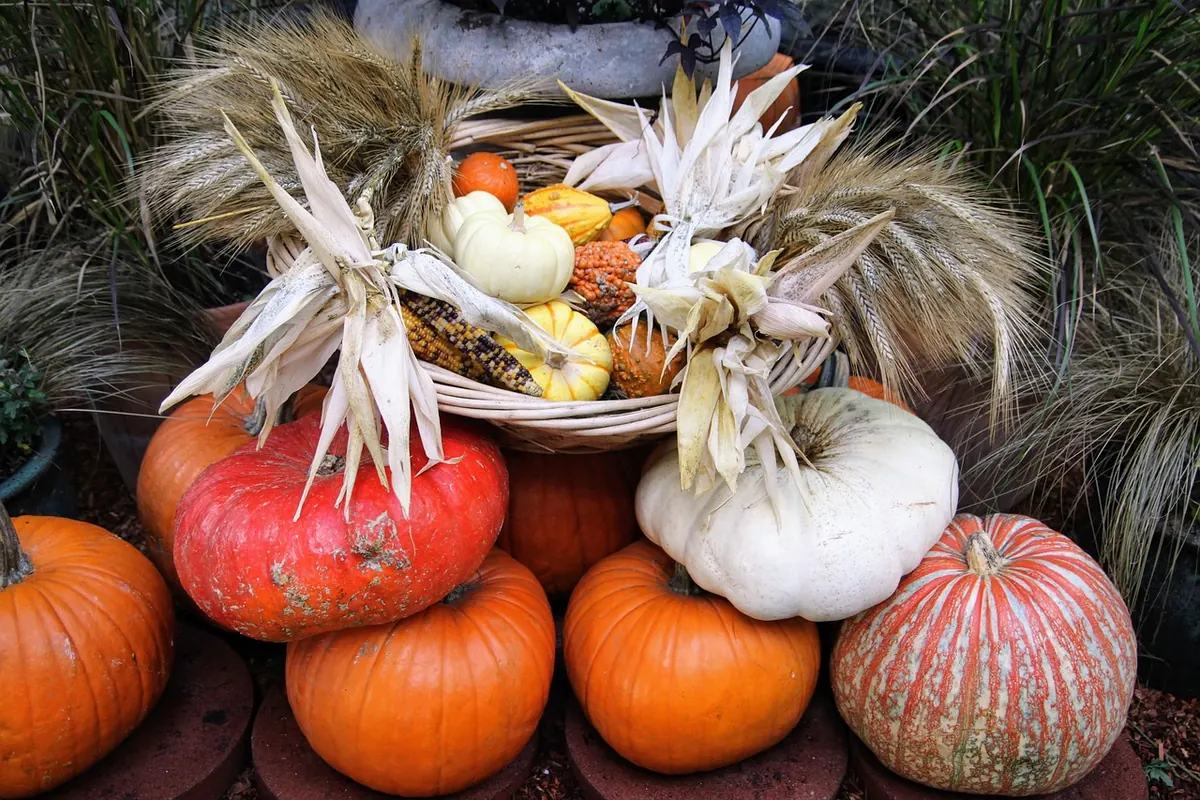
October is the month the kitchen changes gear. The tomatoes are down to their last decent specimens, the courgettes have turned watery, and everything that genuinely wants to be cooked has arrived: squash with thick skins, knobbly celeriac, apples that smell of the orchard, and the first proper field mushrooms.
It is also the easiest month of the year to cook with the seasons, because almost everything on offer now responds to the same three things — heat, salt and time. Roast it, braise it or bake it, and you are more or less done. The rewards are deep, sweet flavours and a kitchen that smells like a proper autumn.
What is at its best in October
The shift happens quickly. By the first week of the month, soft fruit is finished and the sturdy stuff has taken over. A useful rule: if it keeps well, it is in season now. That means you can shop once and cook for days without worrying about anything turning to mush in the fridge.
- Squash and pumpkins — butternut, crown prince, onion squash, kabocha. Dense, sweet, and happy in a cool cupboard for weeks.
- Apples — eaters and cookers both, from Cox and Egremont Russet to Bramley.
- Pears — Conference and Comice. Buy them hard, ripen them on the counter, then eat within a day or two.
- Quince — hard and astringent raw, but pink and perfumed after long, gentle cooking.
- Beetroot, celeriac, parsnips, swede — the root cellar on a shelf.
- Leeks, kale, cavolo nero, chard — the green backbone of autumn.
- Field mushrooms, plus a good range of cultivated exotics.
- Cobnuts and walnuts — cobnuts are best early in the month, still milky under the husk.
- Game and shellfish — partridge, pheasant, venison, mussels and mackerel all sit well beside these vegetables.
None of it requires a special trip. A decent greengrocer, a farmers' market or a well-stocked supermarket will cover the lot, and the vegetables that are cheapest right now are usually the ones that have just come out of a British field. Look for firm roots, tight greens and squash that feel heavy for their size.
Squash: the most useful vegetable of the month
If you buy one thing in October, make it a squash. They are forgiving, they keep, and they take on almost any flavour you throw at them. From sweet and nutty to earthy and dense, there is a squash for every mood.
Roast it hard
Halve a squash, scoop out the seeds and put it cut-side down on a baking tray with a slick of oil. Roast at 200°C (180°C fan) for 40 to 50 minutes, until a knife slides easily through the neck. Let it cool a little, then cut the halves into wedges or scoop the flesh out. That is your base for the week: piled onto a grain bowl, stirred through pasta with sage butter, folded into a risotto, or mashed with butter and nutmeg.
Keep the seeds. Rinse and dry them, toss with oil and salt, and roast for about 10 minutes until they pop and turn golden. They are excellent scattered over soups or salads, or just eaten by the handful.
A soup that needs no recipe
Soften an onion and a couple of cloves of garlic in a big pan, add a chopped squash and enough stock to cover, simmer until soft, then blend. Taste before you season. A pinch of chilli, a grate of nutmeg or a spoonful of cream will each take it somewhere different. If the finished soup tastes thin, roast the squash first next time rather than boiling it.
Apples and pears
Apples are the heart of October cooking, and the cookers matter more than the eaters here. Bramleys collapse into a fluffy purée; a Cox holds its shape if you want slices in a tart.
Baked apples. Core four Bramleys, score a line around the middle of each so the skins do not burst, and sit them in a dish. Fill the centres with raisins, a spoonful of soft brown sugar, a knob of butter and a pinch of cinnamon. Add a splash of water to the dish and bake at 180°C (160°C fan) for 35 to 45 minutes. Custard, cream or thick yoghurt — all correct.
Apple sauce. Peel and chop three or four Bramleys, put them in a pan with a splash of water and a squeeze of lemon, and cook gently for 15 minutes with the lid on. Stir, sweeten to taste, and stop while it still has some texture. It keeps in the fridge for a week and improves almost any pork.
Pears. Poach peeled halves in a light syrup with a strip of lemon peel, a bay leaf and a few peppercorns, then serve them warm with a spoonful of the reduced syrup and a crumbling of blue cheese, or cold for breakfast with yoghurt and toasted walnuts. They also make a lovely pudding with a scoop of vanilla ice cream. For a simple supper, wrap a peeled pear in prosciutto and bake until the ham crisps.
Quince follows the same logic as pears, but needs longer. Poach chunks in syrup for an hour or more until they turn ruby red and tender. They are worth the patience.
Roots and greens: the backbone of October
While squash and apples get the headlines, the real workhorses of October are the roots and greens. They are cheap, they store well, and they respond beautifully to roasting, braising and even raw preparations.
Beetroot. Roast it whole, wrapped in foil with a splash of oil and a few sprigs of thyme, at 200°C (180°C fan) for about an hour, until a knife slides in easily. Peel while warm, then slice into a salad with goat's cheese, toasted walnuts and a mustardy dressing. Raw, grated beetroot is also excellent with grated apple, lemon juice and a little horseradish.
Celeriac. This knobbly root is ugly but delicious. Peel it thoroughly, then cut into chips, roast with oil and salt until golden, or grate raw for a remoulade — mix with mayonnaise, Dijon mustard, lemon juice and capers. It also makes a silky soup with a finish of cream and chives.
Parsnips and swede. Both sweeten dramatically when roasted. Cut parsnips into batons, toss with oil, honey and a pinch of cumin, and roast at 200°C (180°C fan) for 30 to 40 minutes. Swede is best mashed with butter and plenty of black pepper, or added to a stew with bacon and cider.
Greens. Leeks, kale, cavolo nero and chard are the green backbone of autumn. Leeks soften beautifully in butter for a tart or a soup; kale and cavolo nero need little more than a quick blanch and a toss in garlic oil. Chard stalks are as good as the leaves — slice them and sauté first, then add the shredded leaves until just wilted.
Tip: Roast a tray of mixed roots — beetroot, celeriac, parsnip, carrot — with whole garlic cloves and rosemary. It keeps for days and improves everything it touches.
Mushrooms: the fleeting treat
October is prime mushroom month. Field mushrooms, with their dark gills and deep flavour, are the prize, but cultivated chestnut, oyster and shiitake are all excellent now too. The key is to cook them hard and fast, and not to crowd the pan — otherwise they steam instead of browning.
Wipe mushrooms clean with a damp cloth rather than washing them. Slice thickly, then fry in a hot pan with a little oil and butter. Add a crushed clove of garlic and some thyme for the last minute. Season with salt and pepper. Pile onto toast, or stir through pasta with a splash of cream.
For a simple supper, grill large flat field mushrooms with garlic butter and a little chopped parsley, and serve with crusty bread. A poached egg on top turns it into a proper meal.
Putting it together: a week of October cooking
You do not need a different recipe every night. Cook once, eat well for days. Roast a squash and a tray of roots on Sunday. Use the squash for soup on Monday, the roots alongside sausages on Tuesday. Bake apples for pudding. Poach pears for breakfast. Sauté mushrooms with garlic on toast for a quick lunch. By Friday, you will have eaten the best of the season without once feeling like you were following a plan.
That is the quiet pleasure of October cooking: it asks very little of you, and gives back a great deal. Heat, salt and time — and a good appetite.
Photo: lindaroisum / Pixabay