

Hosting a Bonfire Night Gathering: A Stress-Free Checklist
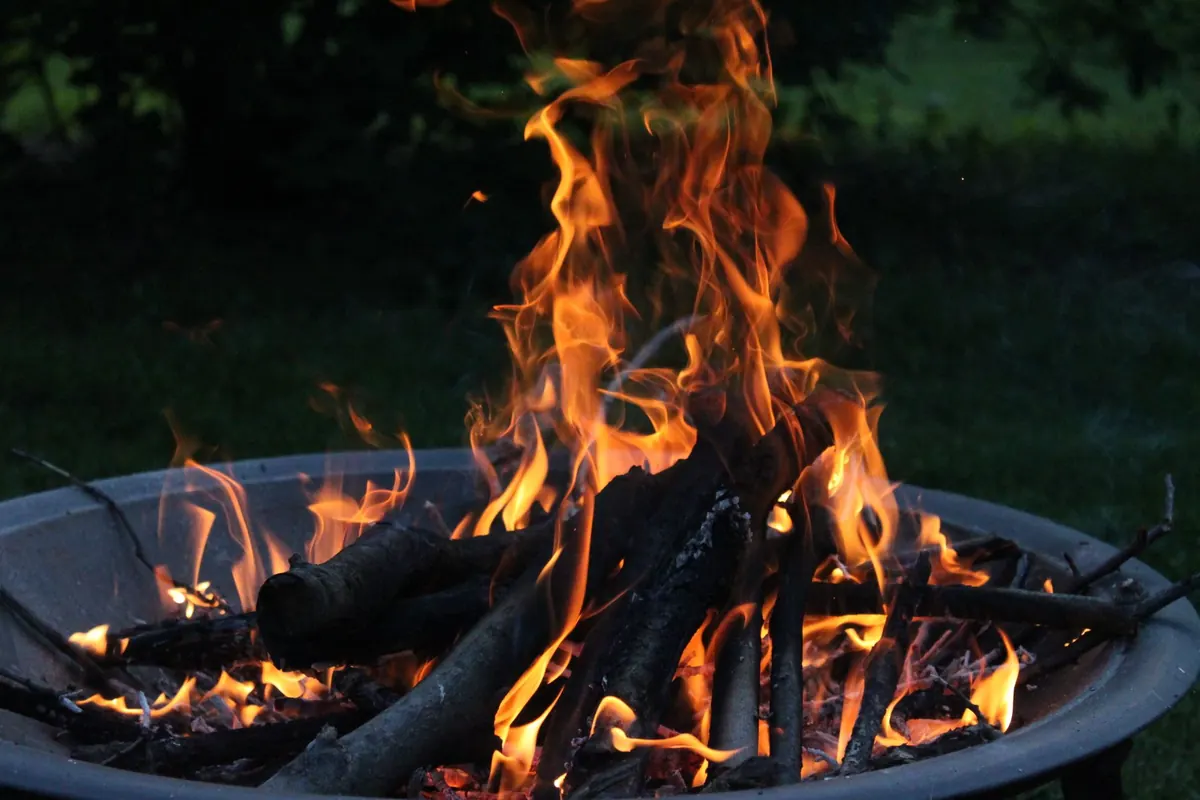
Bonfire Night has a way of turning a quiet evening into a small logistics operation. There's the fire to think about, the food, the fireworks, and the small matter of everyone standing in a cold garden in November. Get the boring bits sorted in advance and the night itself can be loose and easy, which is the whole point.
What follows is a checklist rather than a schedule. Take what's useful and ignore what isn't.
Decide the shape of the evening first
Sort the numbers before you send a single message. Eight people round a fire pit is a lovely evening; twenty-five people in a small back garden is a crush. If you're planning anything more than a modest gathering, it's worth mentioning it to the neighbours in advance, especially if fireworks are involved. Most people are far more relaxed about noise when they've been warned, and a few will be delighted to be asked along.
Then decide what kind of night it is. If your outdoor space is tight, with fences, sheds and a trampoline in the way, a fire pit, sparklers and a public display down the road is often the better plan. You get the atmosphere without the risk. If you are doing your own fireworks, you need genuinely clear space, and it's worth checking your council's guidance on local restrictions and permitted times before you buy anything.
Food that works outdoors
The golden rule is that everything should be edible one-handed, from a bowl or a mug, while wearing gloves. Nothing that needs a knife and fork in the dark.
- A pot of chilli, curry or stew in a slow cooker, with bread rolls and a ladle.
- Jacket potatoes baked in advance, wrapped in foil and kept warm in a cool box lined with a hot water bottle or two.
- Sausages or hot dogs held in a tray, which always go down well with children.
- Parkin, ginger cake, flapjack or brownies, cut into squares before anyone arrives.
- Marshmallows, skewers and a toasting spot at the edge of the fire.
- Toffee apples for anyone who wants something to do with their hands.
Cook as much as you can earlier in the day. Set the food up near the back door so people aren't trailing through the house with plates, and keep a bin bag in plain sight rather than hidden away, or you'll be collecting cups for a week. Ask about allergies and dietary needs when you invite people, and label anything that isn't obvious.
Warm drinks, and plenty of them
Two hot options is plenty: a flask or slow cooker of mulled apple juice, and hot chocolate with a jug of milk and a bowl of marshmallows beside it. Squash in a flask for the children, and cold drinks in a cool box outside so nobody is in and out of the fridge all night. Mugs with handles beat delicate glasses in a cold garden, and insulated cups are worth digging out of the cupboard if you have them.
Fire and firework safety, done properly
This is the part worth taking seriously, because almost everything that goes wrong on Bonfire Night is preventable.
- One adult in charge of lighting, with everyone else behind a clear line.
- Light fireworks at arm's length with a taper. Never lean over one.
- Never go back to a firework that hasn't gone off. Douse it with water, leave it, and move on.
- A bucket of water and a bucket of sand within reach of the fire, not left in the shed.
- Sparklers: gloves on, one at a time, and a bucket of water to drop them into. They stay hot long after they look finished.
- Never use petrol or paraffin on a bonfire. It doesn't make it light faster, it makes it dangerous.
- Don't burn treated wood, plastic or anything painted. The smoke is unpleasant and entirely avoidable.
- Check the bonfire for hedgehogs before you light it. Build the pile on the day, or move it to fresh ground first.
- Bring pets indoors, close the curtains and put the radio on. Even the calmest dog can find fireworks miserable.
Store fireworks in a closed metal box, well away from the fire, and follow the instructions on each one. If there are children at the gathering, it helps to say the rules out loud once, early, before the excitement builds.
Keeping guests warm and comfortable
Cold guests go home early. A little preparation here is the difference between a two-hour evening and a four-hour one.
- Torches, plus spare batteries, for the garden and the walk to the gate.
- A basket of blankets by the door, and a few spare hats and gloves.
- Dry seating. Damp benches chill people quickly, so stack cushions or bring out kitchen chairs.
- A clear, lit route to the loo, with somewhere to leave muddy boots.
- A spot for wet coats that isn't your bed.
- The fire or heater positioned so smoke doesn't blow into faces. Seats upwind stay comfortable for far longer.
In the invitation, say plainly that it's an outdoor evening and people should bring a coat, a hat and boots. Then add that the kitchen is open for warming up. That one sentence saves a lot of shivering.
A rough timeline
Shop and tidy the garden in the morning. Put food on in the afternoon, set the outdoor table, dig out the blankets and torches, and lay the fire without lighting it. When people arrive, get a hot drink into their hands and light the fire as it gets dark, so the flames give everyone something to look at while they settle. Eat an hour or so in, then do the fireworks once everyone has arrived and plates are down. Sparklers afterwards, while the fire dies back. Finish with hot chocolate or a bowl of something warm before people head home.
The next morning
Leave ashes to cool completely before you move them, then douse them with water. Walk the garden for spent firework debris and sparkler wires before children or pets go out, and soak the pans before the washing up turns into a chore. Put the blankets away properly dry, and start thinking about next year.
Photo: Paul Pond / Pexels